
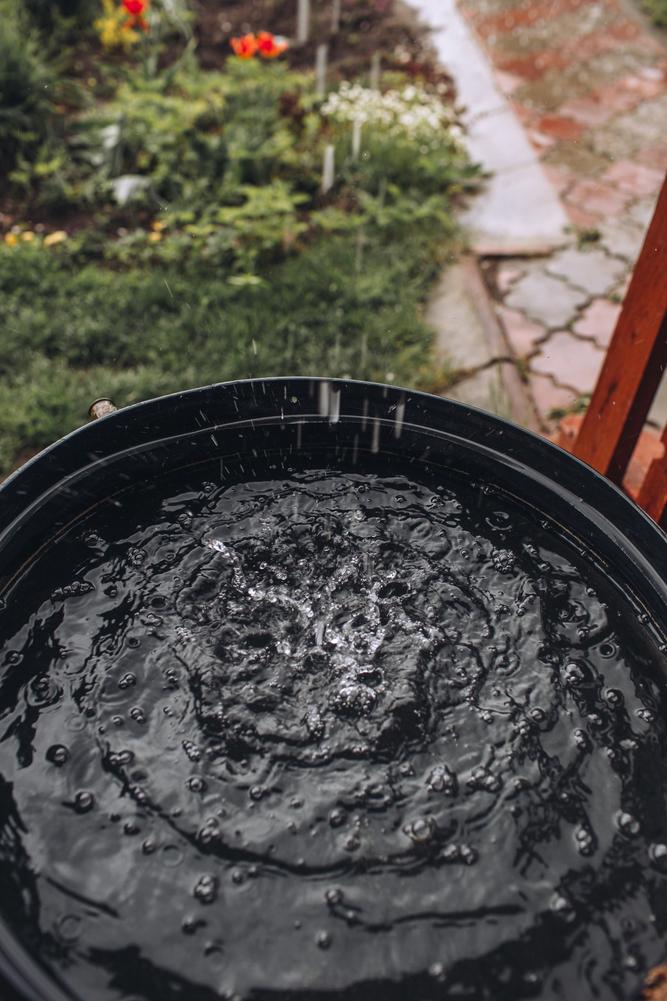
The South East is a water-stressed area. Climate change, dry spells, and warmer weather put significant pressure on our underground water sources and rivers, which only refill during the autumn and winter months.
This year, we’ve seen the hottest summer coupled with one of the driest summers since records began in 1884. During the heatwaves we’ve seen across our region, water demand surged right across our network. In places like Sussex and Kent, this extra pressure can put local supplies at risk.
The introduction of the business retail market left gaps in commercial customer contact details, and we launched water-saving drop ins for businesses. Instead of sending emails or calling unverified phone numbers, our teams went directly out into the community to meet business owners face-to-face. The goals were simple:
- Understand how local businesses use water during peak demand periods such as summer heatwaves.
- Check what backup storage or alternative water systems they already have.
- Help them put contingency plans in place so they stay resilient during dry periods.
- Protect our wider network to keep water flowing for everyone.
What we did
Using network data and forecasts, we focused our 5-day trial on high-risk supply areas in and around Ashford. After checking historical water use, we selected 41 key commercial sites to visit.
Our Water Efficiency and Waterlink teams carried out drop-in visits across sectors like care homes, hospitality, agriculture, golf courses, and leisure facilities.
- Why a drop-in? Without up-to-date direct contact details, dropping in was the best way to speak to the right facility managers on the ground.
- On-site surveys: We used simple digital forms to capture peak usage times, internal plumbing fittings, leak histories, and backup storage options (like rainwater tanks or boreholes).
- Direct advice: For those who we managed to speak to, we gave advice about building water resilience into their business continuity plans and did a quick check for on-site leaks. If no one was available, we left a "Sorry We Missed You" note with a QR code so managers or business owners could book a follow-up appointment.
Key findings
Out of 41 targeted sites, we completed 15 full site assessments (a 36.5% success rate). Unsuccessful visits were mostly due to gated access, key decision-makers being away, or complex shared meters feeding multiple businesses.
Here is what we learned across different sectors:
- Care homes: Most of their water use is domestic (taps, toilets, showers). Managers were very keen to work with us, make simple internal fixes, and add waterbutts for their gardens.
- Golf clubs: They use large amounts of water for irrigation and hosting events like weddings. Most already have some storage, but there is great scope for rainwater harvesting and expanding tanks.
- Farms and agriculture: Many already use alternative sources like boreholes or private reservoirs and can run for 24+ hours independently. They are open to more storage, though open reservoirs present challenges with birds.
- Garden centres: Heavy mains water reliance for keeping plants healthy in summer. Great potential for collecting rainwater and training staff on efficient watering techniques.
- Industrial and commercial sites: Often operated through shared bulk meters and run 24/7, making physical changes harder to arrange without head office sign-off.
Main barriers businesses face

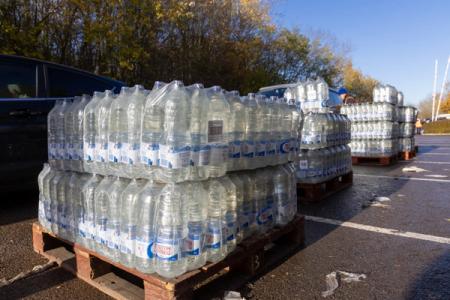
- Cost: Mains water is currently far cheaper than buying and installing big storage systems.
- Head office approvals: Local site managers often need senior corporate sign-off for operational changes.
- Low focus on water security: Water supply interruption is rarely included in standard business continuity plans.
- Data discrepancies: Outdated contact info and unmapped shared meters make outreach harder.
Quick wins


Project Odyssey highlighted three sectors where we can make an immediate difference together:
- Care homes: Quick fixes like fitting tap aerators, checking for hidden toilet leaks, and installing garden waterbutts.
- Garden centres: Setting up rainwater harvesting from roof gutters and teaching staff best watering habits (watering early or late to prevent evaporation).
- Golf clubs and event venues: Harvesting rainwater off large clubhouse roofs and expanding irrigation storage to reduce daytime mains demand.
Next steps
Building on what we learned, we are now:
- Looking to partner with quick-win sectors: Working directly with care homes, garden centres, and golf courses on efficiency improvements.
- Improving systems data: Updating our internal systems to log businesses with backup supplies, helping us protect them during summer emergencies.
- Sharing insight internally: Joining up our leakage, network operations, and water efficiency teams to support businesses more effectively.
- Expanding the project: Planning to roll out drop-in visits to other water-stressed areas across Sussex and Kent.
We invest over £63 million every year to strengthen our network and fix more than 27,000 leaks annually. But infrastructure is only half the picture.
This project has demonstrated how face-to-face collaboration helps local businesses lower their bills, protect their operations, and meet regulatory requirements - all while safeguarding our region's shared water supplies.