
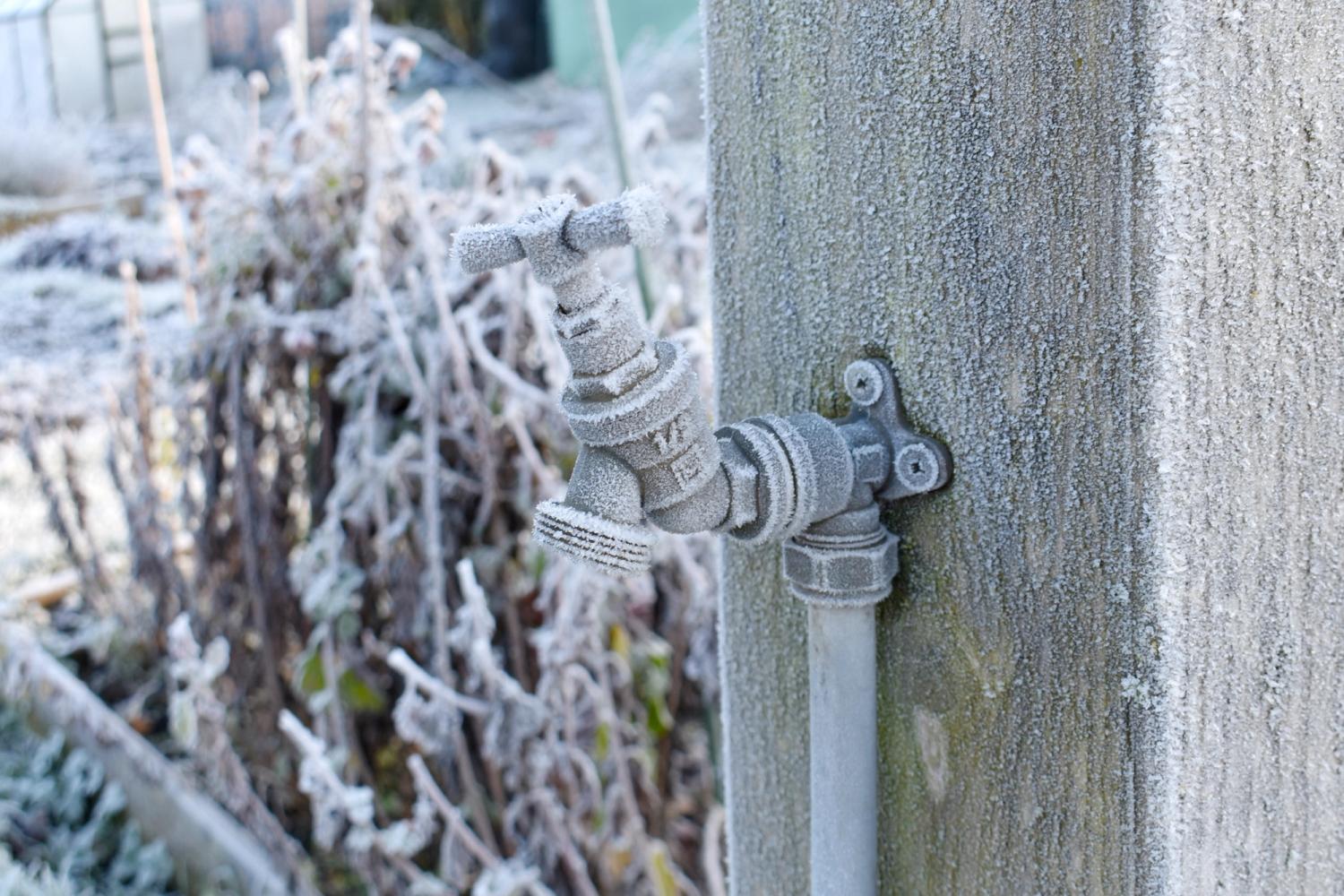
Winter weather in the South East is increasingly unpredictable.
A crisp, sunny morning can quickly lead to a severe sub-zero freeze; heavy winter rainfall can cause flash surface flooding; and persistent dry weather can leave vital underground water reserves dangerously low.
Whatever the weather brings this season, protecting your site is critical. A single burst pipe during a freeze-thaw can cause thousands of pounds in flood damage and halt operations, while low winter groundwater recharge threatens long-term supply resilience.
We are here to help you stay ahead of winter risks. Rather than simply asking you to use less water, we are actively supporting local businesses with practical expertise, site audits, free equipment, and non-potable water solutions.
Understanding operational risks
Winter scenarios bring complex operational threats. Varying seasonal weather conditions impact your site infrastructure and network supply continuity in distinct ways:
Freeze, ice and snow: Sub-zero temperatures freeze trapped water inside uninsulated pipes, causing trapped water to expand by 9% and crack pipework.
Drier conditions than expected: Unseasonably dry or warm winter spells fail to replenish depleted underground aquifers and groundwater reserves.
Heavy rain and downpours: Heavy winter rainfall overburdens surface drainage systems and runs off hard surfaces without recharging deep aquifers.
Clear and mild spells: Temperature fluctuations mask background leaks, while low-occupancy periods leave running water unchecked.
How you can protect your business this winter
Whatever the weather, taking these steps will build operational resilience across your business:

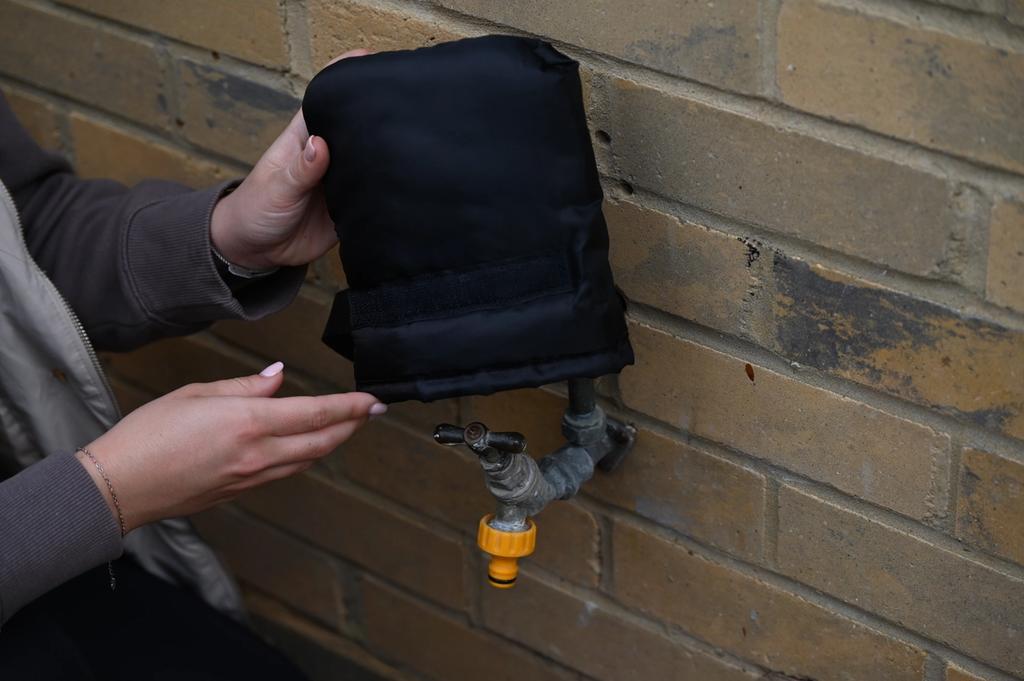
Insulate, insulate, insulate
Insulate all exposed internal, loft, and outdoor pipework with waterproof foam lagging. Unheated plant rooms, vacant units, and exterior taps are prime targets for frost damage.


Know where your stop tap is
Locate, label, and test your main internal stop tap. Ensure facilities teams and key staff know how to shut off your main supply instantly if a leak or pipe burst occurs.
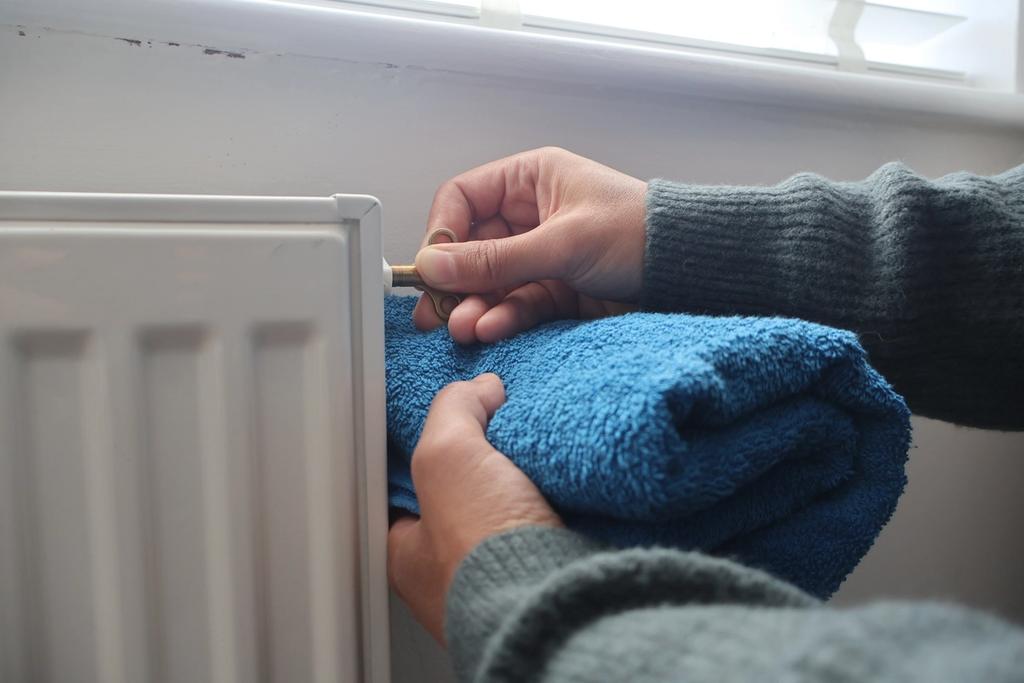
Keep the heating on
Keep heating set to a minimum of 10°C during weekend closures or Christmas shutdowns to stop standing water in pipes from freezing.

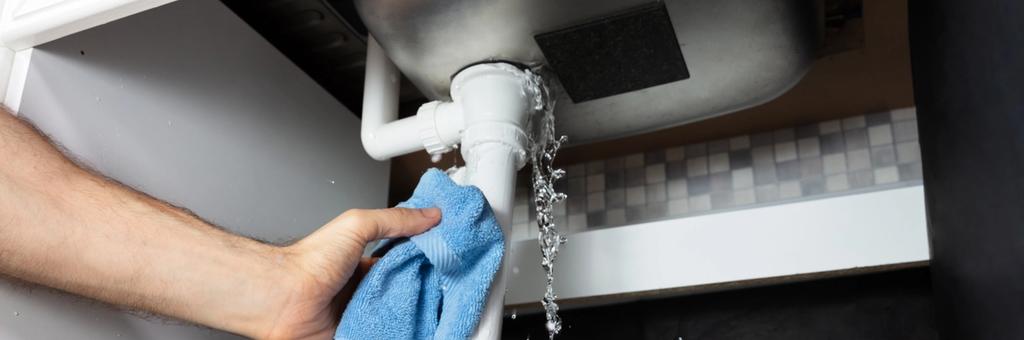
Check for leaks
Establish a regular weekly out-of-hours meter logging routine. Comparing meter readings when no operational activity is taking place is the fastest way to spot underground leaks or passing toilet valves.

Capture the rain
Fit rainwater harvesting systems to main roof downpipes. Storing winter rainfall gives you an independent supply for non-potable tasks like vehicle washing, grounds maintenance, and industrial cleaning.

Have a plan
Ask: What if drinking water doesn’t have to do every job? Audit high-volume non-potable water uses across your site to prepare for all weather scenarios this winter. The more prepared you are, the less disruption you'll face.
Secure your business whatever the weather
- Download our winter checklist: Have a look at our step-by-step NHH Winter Preparedness Checklist(opens in a new tab) and emergency plumber directory.
- Water-saving site visits: We’re offering free water-saving visits to schools and public buildings but are looking to expand this to other sectors soon. Get in touch with our Water Efficiency team(opens in a new tab) for more information.
- Free devices and water-saving posters: Free devices(opens in a new tab) including tap aerators, eco-showerheads, cistern devices, and downloadable water-saving posters.
- Sign up to our newsletter: Stay up to date(opens in a new tab) with the latest operational news and get the latest water-saving tips delivered straight to your inbox every quarter.